AI implementation services built around the work that slows companies down.
Contempo.Services is not selling AI excitement. It is building the operating layer: mapped workflows, custom AI systems, intelligent automation, bounded agents, structured knowledge, governance, and ongoing AI operations improvement.
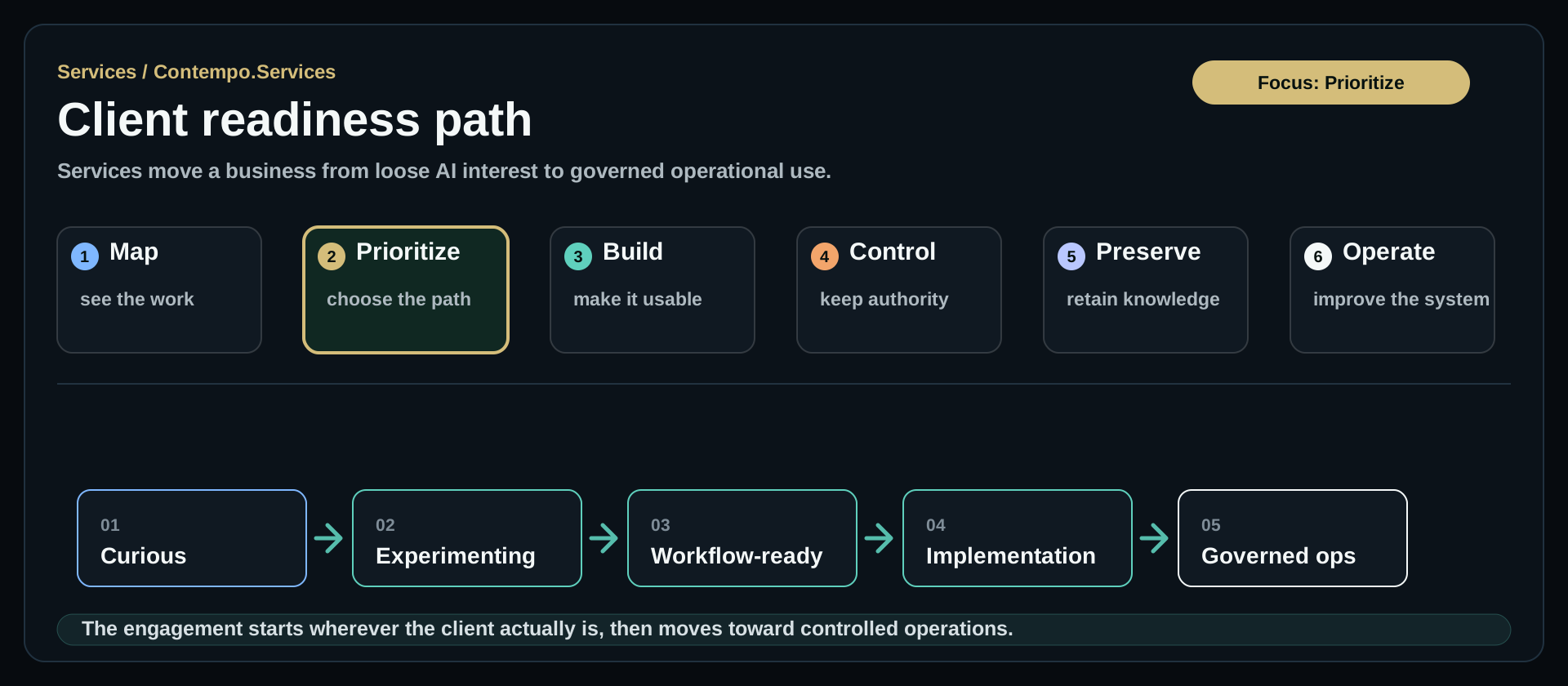
Client readiness ladder
Most companies are somewhere on this path. The service mix depends on the current level of operational maturity.
AI Workflow Architecture
Identify where AI can create the highest operational leverage, then map the workflow, design the AI role, define review points, and create the build roadmap.
- Workflow inventory
- AI opportunity scorecard
- Risk and data review
- 30/60/90-day roadmap
Custom AI Operations Systems
Build internal AI tools, assistants, workflow engines, and operating interfaces around the business logic that makes the company different.
- Requirements and architecture
- Prompt and agent logic
- Testing and validation
- Operating documentation
Intelligent Process Automation
Automate repetitive intake, routing, reporting, documentation, and handoff work while keeping human authority visible.
- Process maps
- Automation candidates
- Exception handling
- Implementation notes
AI Agent Design and Deployment
Deploy bounded agents for research, triage, support prep, reporting, documentation, and decision workflows with clear controls.
- Agent charter
- Tool and permission map
- Memory/context model
- Escalation and audit rules
AI-Ready Knowledge Infrastructure
Structure SOPs, documents, decisions, templates, project history, and business rules so AI systems can produce reliable work.
- Knowledge map
- Source inventory
- SOP templates
- Maintenance rhythm
AI Governance and Operations Management
Create the management model for AI: approved use, data rules, review requirements, ownership, escalation, metrics, and continuous improvement.
- AI use policy
- Human review model
- Documentation standards
- Operational reporting
Primary entry point: AI Workflow Audit
The first strong offer should be simple: map the workflow, identify the highest-value AI opportunities, define the management/control model, and recommend what should be built first.